

Healthy habitat is the foundation of Alaska’s world-class fisheries, supporting everything from the sockeye runs of Bristol Bay to the trophy trout waters of the Kenai Peninsula. When the ecosystem thrives, so does the fishing.
Story by Dave Atcheson
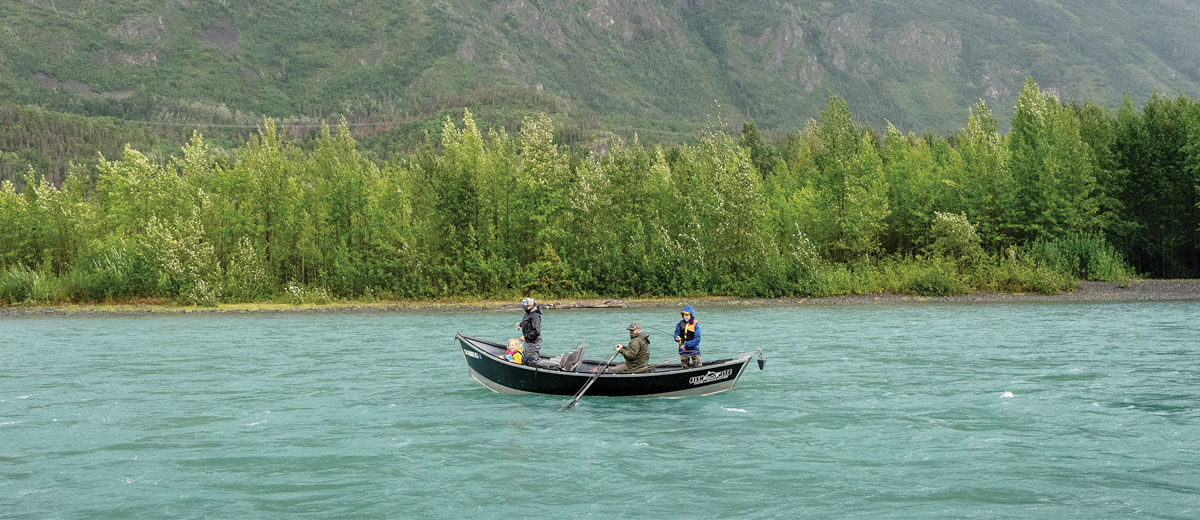
World-class fishing destinations like the Kenai River drive our state’s recreation economy. © Trout Unlimited
Most lovers of the outdoors know the feeling, that epiphany, that connection to something much larger than us that we find beneath the canopy of old-growth forest or within the gaze of our majestic, snow-capped peaks. Yet perhaps no one appreciates that feeling more than anglers. With the sudden tightening of the line, we are thrown into an encounter that often borders on the sublime, the rod a conduit connecting us to the river in an often out-of-body, nearly spiritual encounter.
“Oh, that’s definitely a big part of it,” says Jack Mister, owner of Mister Kenai Sportfishing. “My clients come in search of exactly that, the thrill of the fight, whether it’s a sockeye salmon or the trout of a lifetime, but it’s also much more. Many simply want the ability to step away from the hustle and bustle of their ordinary lives, to turn the phone off, to get into the wilderness and experience Alaska. It’s something they likely don’t have at home.”
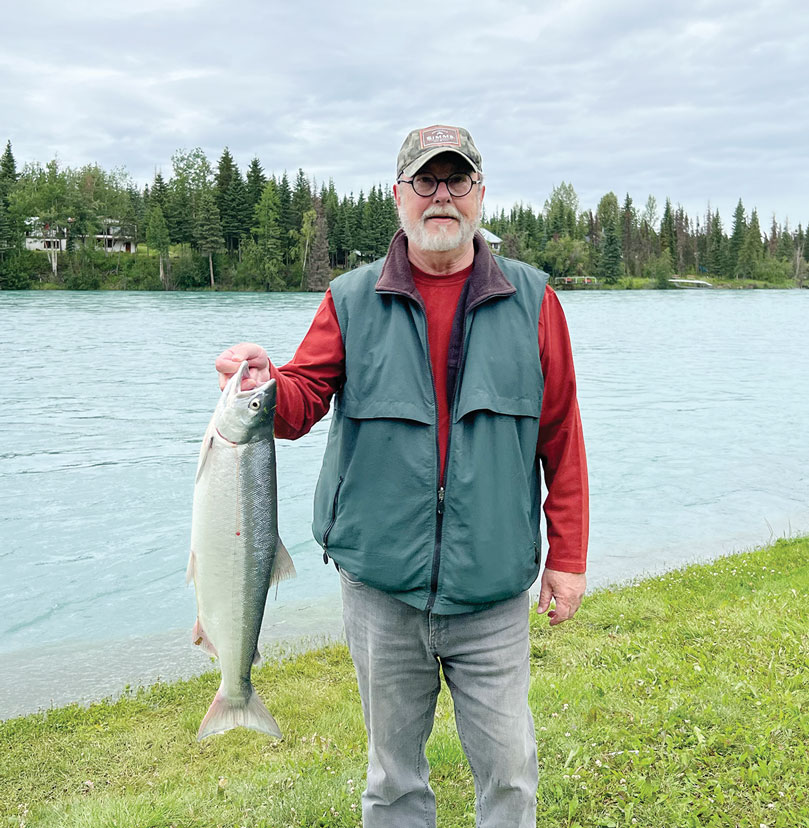
Guide Richard Jameson works with one of Alaska’s most valuable natural resources: salmon. © Richard Jameson
Those visitors are making a big impact on our state’s economy, along with the many Alaskans who get out and recreate right alongside them. According to a report by the U.S. Department of Commerce, the outdoor recreation economy generated $1.3 trillion in economic output across the United States in 2024. This outpaces other industries significantly; outdoor recreation is nearly four times the size of air transportation, two-and-a-half times the size of agriculture and forestry, and more than one-and-a-half times the size of oil-and-gas development and mining.
Outdoor recreation is a huge economic driver nationwide, but especially in Alaska. The University of Alaska Center for Economic Development estimates in a 2019 report that consumer spending related to outdoor recreation supports over 38,000 Alaskan jobs. Total employment in the state averaged 328,000 in 2017. That means 1 in 10 jobs in the state are related to the outdoor recreation industry.
Why Healthy Fisheries Keep the Economy Casting
Fellow guide Billy Coulliette, longtime proprietor of Alaska Troutfitters, cites fishing as the main reason for the Kenai Peninsula’s longevity as a premier destination. “I’ve been fortunate enough to have groups come back now for 20 years, and while they’ve witnessed a lot of changes, they keep returning…If we didn’t have that—a healthy fishery—which starts with good, healthy habitat, people wouldn’t come back over and over again.”
The benefits of the outdoor recreation economy are especially important in areas of Alaska where they make up a significant portion of the regional economy. In southeast Alaska, the tourism and outdoor-recreation sectors contribute $1 billion in annual economic activity. Together with sportfishing and commercial fishing, these industries account for $2 billion in economic activity. Healthy habitat and productive fisheries are the backbone of these industries that make up 26% of regional employment.
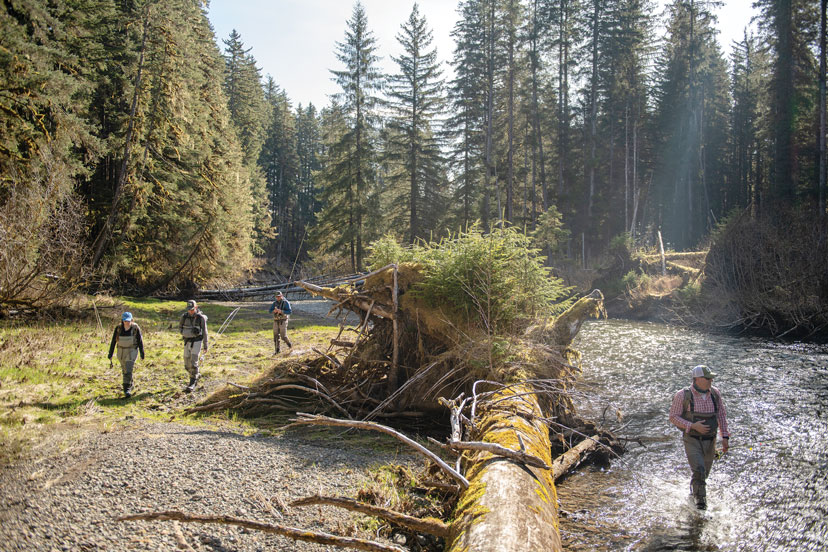
Old-growth forest and fish-filled rivers draw more than two million visitors to southeast Alaska annually. Outdoor recreation is vital to southeast Alaskans’ lives and economy. © Trout Unlimited
Rick and Dori Matney own Chrome Chasers Lodge and primarily guide their clients in roadless areas of the Tongass National Forest. “The wild character of these places is what sustains our fisheries, supports local outfitter-based economies, and allows future generations to experience world-class fishing opportunities,” says Rick. The landscapes that provide world-class recreation also have vast economic benefits throughout Alaska.
The numbers are equally astounding in western Alaska, where the Bristol Bay fishery supports $2.2 billion in annual economic activity and 15,000 jobs through sportfishing, commercial fishing, and tourism.
The conservation measures we take to maintain our public lands and ensure healthy fisheries are so much larger than a love for fishing. They support industries that drive Alaska’s economy and allow Alaskan-owned businesses to thrive in rural communities across the state. Safeguarding habitat is an investment in Alaska’s future.
Beyond the River: The Ripple Effect on Rural Alaska Communities
Richard Jameson, owner of Jameson’s Kenai River Fishing Lodge, knows this firsthand. “We need to do all we can. Long term, it’s saving this resource for future generations—for my children so they can continue to live, play, and work here—but more immediately it’s the impact this fishery has on my business, on the economy.” Like Coulliette, he has numerous repeat clients who have returned year after year, often bringing with them additional family members and friends. And they don’t just hire guides on the Kenai River,” he says, “they spend money at local restaurants, go halibut fishing out of Homer, do the Kenai Fjords cruise from Seward, maybe take the train to Denali.”
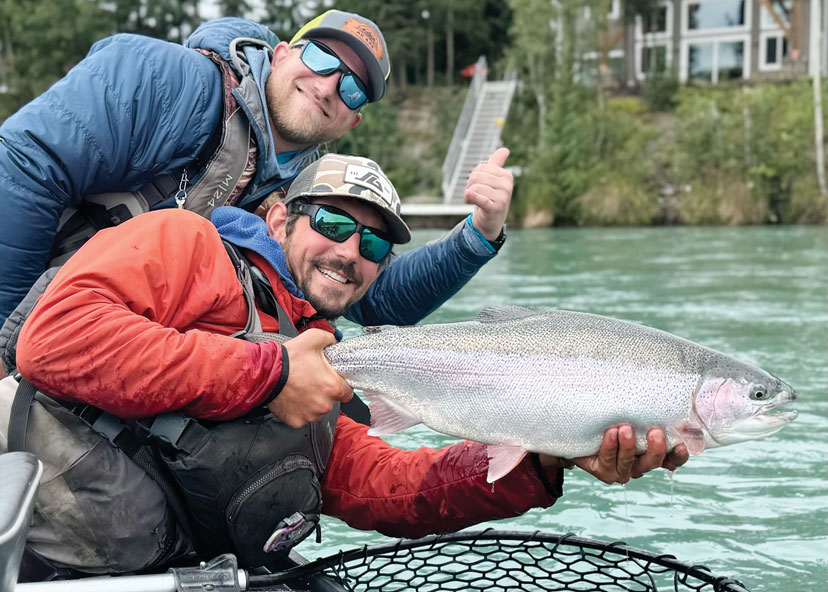
Guide Jack Mister with a client’s trout of a lifetime. Fish like these make the Kenai Peninsula a premier destination. © Jack Mister
These are statistics that lodge owner Richard Jameson thinks our politicians need to be reminded of or made aware of. “Our leaders love to pay lip service to our fisheries, to tout how great they are, how great management is, but I don’t think they’re aware of what they really mean to us, of their true value, including to the economy. Otherwise, we would have adequate funding for research, funds to maintain, protect, and restore habitat…If we want healthy fisheries, and the robust economy they bring, for us and future generations, we’d better change that, and in a hurry.”
Trout Unlimited cares for the rivers you love to fish. Learn more about our work to conserve and restore fish habitat throughout Alaska at prioritywaters.tu.org/alaska. Dave Atcheson is Special Projects Assistant for Trout Unlimited Alaska. He is also the author of several books, including Hidden Alaska, Dead Reckoning, and Canoeing Yaghanen. Go to daveatcheson.com for more info.
For more conservation reading, check out Fish Alaska’s Conservation Blog for more.