

The Trawl-Free Table: Eating the Way We Fish—On Purpose
The Thrill and the Purpose
If you’re reading this, you know the thrill of the flash of a silver shape in clear water, the scream of the reel, and the beauty of Alaska — home to the best fishing on the planet. We fish because we love the pursuit, the meal, and the waters that make it all possible. The Trawl-Free Table is our promise to catch (or choose) our fish with care, cook with joy, and serve recipes that taste like the Alaska we want to hand down to our kids.
The Fish Sticks Past — and What Lies Beneath
Many of us not lucky enough to grow up reeling in our catch ate whatever was cheap in the frozen aisle—mystery “whitefish” fish sticks or sandwiches. But there’s far more to this story, and it starts below the ocean’s surface.
What Are Trawlers, and What’s the Problem?
Trawlers, an industrial kind of fishing boat, tow a massive net the size of a football field through the water. Midwater trawls chase schooling fish; bottom trawls drag heavy gear along the seafloor. Either way, the goal is volume. The problem is everything else that gets caught in that net — salmon, halibut, crab and more — and damage to habitats that took centuries to grow. Trawlers in Alaska waters bycatch and largely dump overboard dead an average of 141 million pounds of marine life each year. And even supposed “midwater” trawlers, which are allowed to trawl in areas closed to other fisheries for reasons of conservation, drag the seafloor in up to 100% of the area they trawl. Trawlers are allowed to bycatch an unlimited number of chum salmon, tens of thousands of king salmon, millions of crab, millions of pounds of halibut, millions of herring and more — all while sport, commercial and subsistence fisheries across Alaska shut down or face severe restrictions.
Why 74% of Alaskans Want to Ban Trawling
This injustice is part of the reason 74% of Alaskans want to ban trawling. The problem: trawlers have billions of dollars for advertising, lobbying, and greenwashing their massively wasteful industry. That’s why they have an incredibly inaccurate “sustainable” label, and it’s why the rest of the world, for the most part, isn’t in on the truth.
We Have Power — As Eaters
But we have power. As eaters, we get to decide what kind of fishing we reward.
What’s trawl-caught?
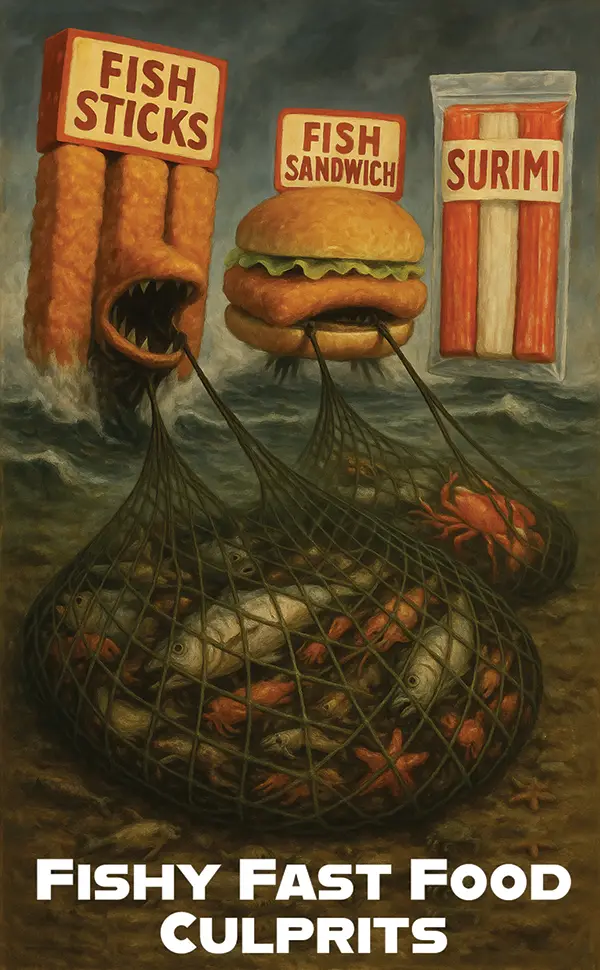
A lot of the vague, anonymously sourced stuff. Fish sticks? Usually Alaska pollock from trawl fleets. Imitation crab in your sushi? Pollock again. Fast-food fish fillets? Same story. If it’s processed “whitefish” and nobody’s bragging about the gear, odds are it’s trawl-caught.
Most Alaska Fisheries Are Sustainable — Trawling Is the Outlier
Most of Alaska’s commercial fisheries are among the best managed in the world. Small-boat fishermen ranging from gillnetters, to trollers (hook and line fishermen who catch salmon one at a time) to longlining, to crabbers, to seiners working hard and bringing benefits back to their communities. Trawling, which is managed by a Council mostly composed of people economically tied to trawling, is the exception. Despite years of passionate testimony from Alaskans who can see the declines in our rivers the Council has failed to take meaningful action. There’s a better, more delicious, more sustainable way, and that’s why we built this column around trawl-free choices.
What do we eat instead? The good stuff.
Harvest your way—on your boat or theirs—but meticulous handling makes the magic. If you’re lucky enough to access Alaska’s seafood bounty on your own, that’s a first-rate way to do it. Others find it more accessible to book a couple local charters or a lodge trip for their annual harvest. Either way, the best fish care makes the best table fare. And if you can’t catch and care for it yourself, you can buy it commercially—choosing from several good options.
Troll-Caught Salmon, Halibut, Black Cod, and More
Troll-caught salmon—especially coho and king—are the sports cars of the salmon world. Each fish is hooked, bled, and iced with care you can taste. Sockeye from set net or drift gillnet fisheries, managed with strong escapement goals, are perfect for the freezer and weeknight dinners.
Halibut and black cod (sablefish) from longlines are trawl-free staples. Halibut cheeks in browned butter? Black cod roasted until it flakes like pastry? You’ll never go back.
Then there’s pot-caught crab—sweet, briny, unmistakably Alaska. Pots are selective; undersized or wrong-sex crabs go back alive. If you’ve ever cracked a leg and watched butter run down your wrist, you know “sustainability” can be delicious.
Fishing with Purpose — And Eating with It, Too
Most of us who fish believe in skill, restraint, and connection to place. We agonize over hook size and release techniques because what we do on the water matters. Eating is the last mile of that ethic. When we catch our own or buy troll-caught, longline-caught, or pot-caught seafood, we’re voting for careful harvest, for coastal jobs built on quality over volume, and for waters that still have fish in them when our kids pick up a rod.
What to Expect from The Trawl-Free Table Column
In this column, we’ll talk with Alaska restaurants, businesses and people that are embracing the trawl-free table and working to stop trawl bycatch by voting with their wallets. We’ll share their recipes and we’ll cook our way across the trawl-free map: crispy-skin coho, halibut poached in olive oil with lemony aioli, spot prawns (from pots) eaten with nothing but sea salt and pleasure.
We’re here to offer meals that taste like the care that went into catching them and that keep our rivers full and our oceans alive. Pull up a chair to The Trawl-Free Table. Let’s eat the way we fish—on purpose.
About the Authors
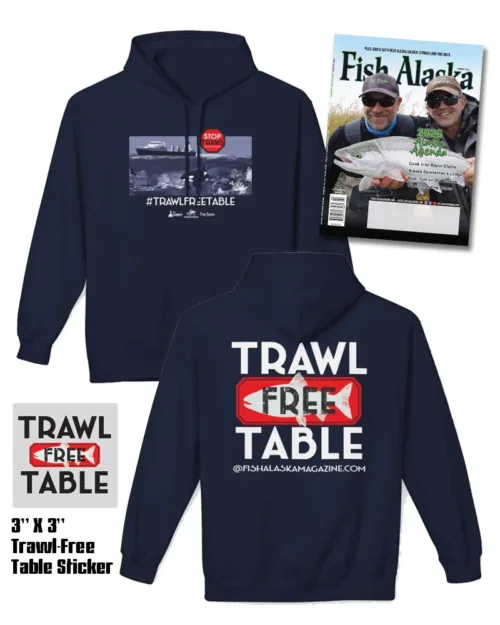
Mary Catharine Martin is the communications director of SalmonState; Melissa Norris is Publisher/Owner of Fish Alaska and Hunt Alaska. For stickers, business support signup, gear, to take action on trawl bycatch and more, check out salmonstate.org/bycatch. Check out sustainable Alaska commercial fishermen who sell directly to consumers at salmonstate.org/marketplace.

Presented By:

Interested in partnering with us on The Trawl-Free Table? Contact Melissa Norris.
Trawl-Free Recipes
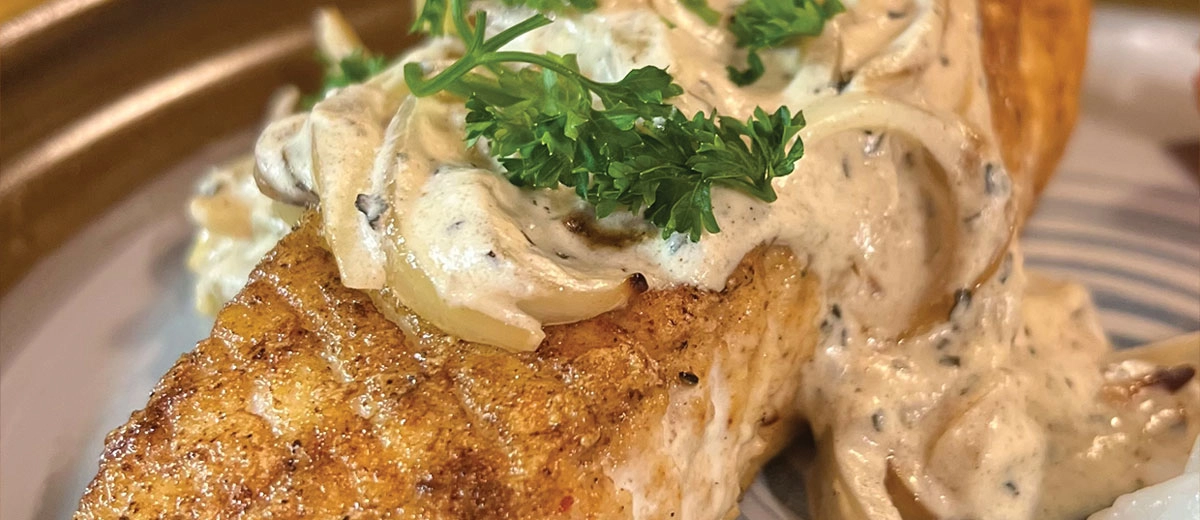
Pan-Fried Halibut With Sour Cream and Onion Sauce
Pan-fried halibut is one of those meals that proves simple can still be memorable. This recipe keeps things straightforward: a light, seasoned flour coating gives the fish a nice Read More...
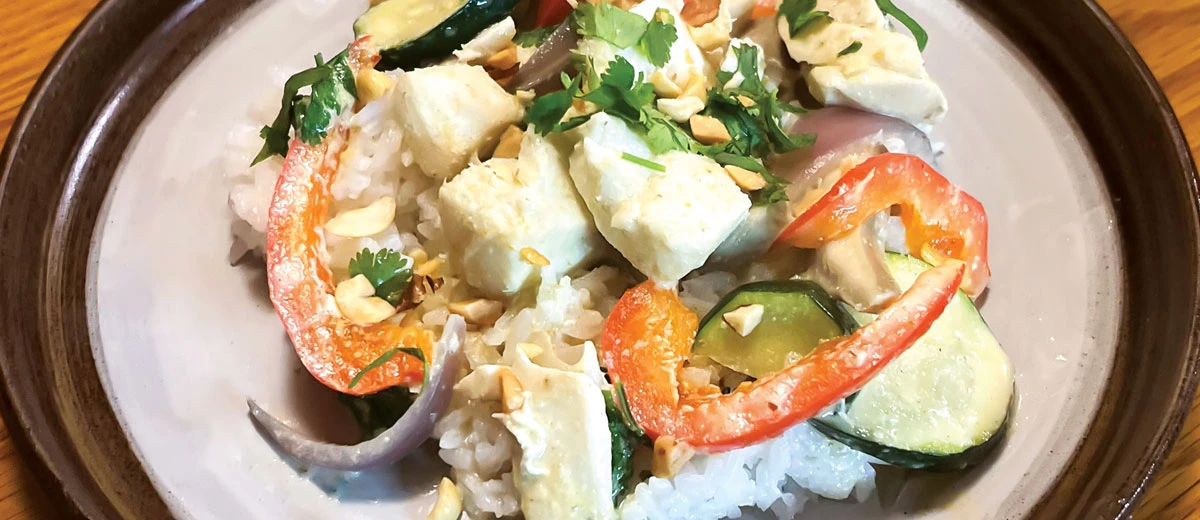
Coconut Halibut Curry
Coconut Halibut Curry is a rich, warming dish that comes together in under 30 minutes and makes the most of fresh, wild-caught Alaskan halibut. Creamy coconut milk, bold curry Read More...

Crunchy Baked Halibut Bites
Halibut bites get a nutritious upgrade in this baked recipe from Sitka fisherman and nutritionist Lexi Hackett of Fish & Family Seafoods. Coated in hemp hearts and warm spices, Read More...
Trawl Free Table Podcast Limited Series
Subscribe to Fish Alaska
Why 74% of Alaskans Want to Ban Trawling
This injustice is part of the reason 74% of Alaskans want to ban trawling. The problem: trawlers have billions of dollars for advertising, lobbying, and greenwashing their massively wasteful industry. That’s why they have an incredibly inaccurate “sustainable” label, and it’s why the rest of the world, for the most part, isn’t in on the truth.
We Have Power — As Eaters
But we have power. As eaters, we get to decide what kind of fishing we reward.
What’s trawl-caught?
A lot of the vague, anonymously sourced stuff. Fish sticks? Usually Alaska pollock from trawl fleets. Imitation crab in your sushi? Pollock again. Fast-food fish fillets? Same story. If it’s processed “whitefish” and nobody’s bragging about the gear, odds are it’s trawl-caught.
Most Alaska Fisheries Are Sustainable — Trawling Is the Outlier
Most of Alaska’s commercial fisheries are among the best managed in the world. Small-boat fishermen ranging from gillnetters, to trollers (hook and line fishermen who catch salmon one at a time) to longlining, to crabbers, to seiners working hard and bringing benefits back to their communities. Trawling, which is managed by a Council mostly composed of people economically tied to trawling, is the exception. Despite years of passionate testimony from Alaskans who can see the declines in our rivers the Council has failed to take meaningful action. There’s a better, more delicious, more sustainable way, and that’s why we built this column around trawl-free choices.
What do we eat instead? The good stuff.
Harvest your way—on your boat or theirs—but meticulous handling makes the magic. If you’re lucky enough to access Alaska’s seafood bounty on your own, that’s a first-rate way to do it. Others find it more accessible to book a couple local charters or a lodge trip for their annual harvest. Either way, the best fish care makes the best table fare. And if you can’t catch and care for it yourself, you can buy it commercially—choosing from several good options.
Troll-Caught Salmon, Halibut, Black Cod, and More
Troll-caught salmon—especially coho and king—are the sports cars of the salmon world. Each fish is hooked, bled, and iced with care you can taste. Sockeye from set net or drift gillnet fisheries, managed with strong escapement goals, are perfect for the freezer and weeknight dinners.
Halibut and black cod (sablefish) from longlines are trawl-free staples. Halibut cheeks in browned butter? Black cod roasted until it flakes like pastry? You’ll never go back.
Then there’s pot-caught crab—sweet, briny, unmistakably Alaska. Pots are selective; undersized or wrong-sex crabs go back alive. If you’ve ever cracked a leg and watched butter run down your wrist, you know “sustainability” can be delicious.
Fishing with Purpose — And Eating with It, Too
Most of us who fish believe in skill, restraint, and connection to place. We agonize over hook size and release techniques because what we do on the water matters. Eating is the last mile of that ethic. When we catch our own or buy troll-caught, longline-caught, or pot-caught seafood, we’re voting for careful harvest, for coastal jobs built on quality over volume, and for waters that still have fish in them when our kids pick up a rod.
What to Expect from The Trawl-Free Table Column
In this column, we’ll talk with Alaska restaurants, businesses and people that are embracing the trawl-free table and working to stop trawl bycatch by voting with their wallets. We’ll share their recipes and we’ll cook our way across the trawl-free map: crispy-skin coho, halibut poached in olive oil with lemony aioli, spot prawns (from pots) eaten with nothing but sea salt and pleasure.
We’re here to offer meals that taste like the care that went into catching them and that keep our rivers full and our oceans alive. Pull up a chair to The Trawl-Free Table. Let’s eat the way we fish—on purpose.
About the Authors
Mary Catharine Martin is the communications director of SalmonState; Melissa Norris is Publisher/Owner of Fish Alaska and Hunt Alaska. For stickers, business support signup, gear, to take action on trawl bycatch and more, check out salmonstate.org/bycatch. Check out sustainable Alaska commercial fishermen who sell directly to consumers at salmonstate.org/marketplace.
Pan-Fried Halibut With Sour Cream and Onion Sauce
Pan-fried halibut is one of those meals that proves Read More...
Coconut Halibut Curry
Coconut Halibut Curry is a rich, warming dish that Read More...
Crunchy Baked Halibut Bites
Halibut bites get a nutritious upgrade in this baked Read More...
Brought to you by:
Interested in partnering with us on The Trawl-Free Table? Contact Melissa Norris.